Government Forms Four-Member Team to Hold Talks with Dr Govinda KC Over Medical Education Reforms
Nepal’s government has formed a four-member negotiation team to hold discussions with medical education reform campaigner Prof. Dr Govinda KC, who is continuing his 25th hunger strike. The team, coordinated by Education Ministry Joint Secretary Jayaram Adhikari, includes representatives from the Ministry of Health and Food Safety and the Medical Education Commission.
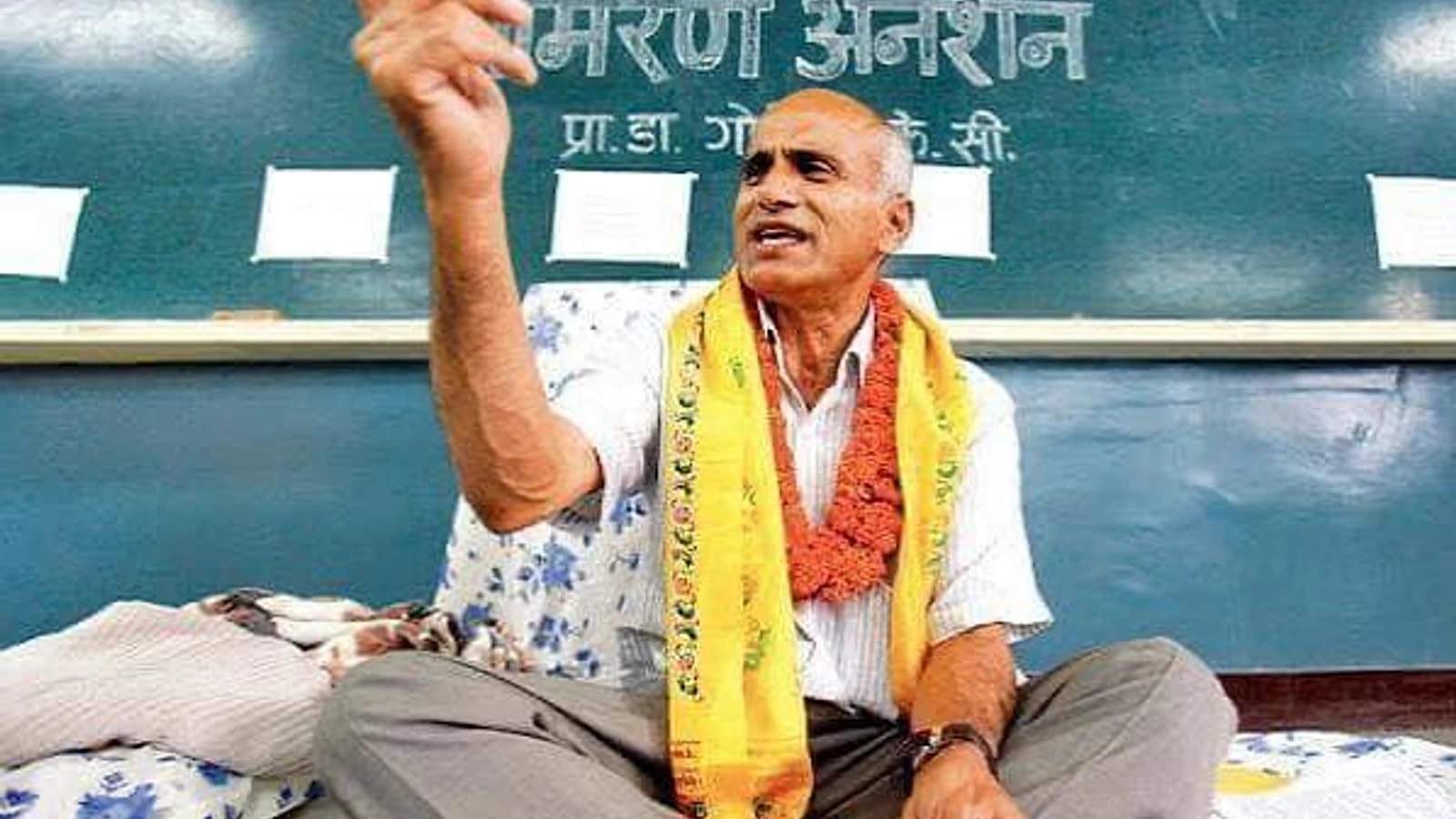
KATHMANDU, November 4: The Government of Nepal has formed a four-member negotiation team to hold talks with medical education reform campaigner Prof. Dr Govinda KC, who is staging his 25th hunger strike demanding changes in Nepal’s medical education and healthcare systems.
The Ministry of Education and Sports formed the team on Wednesday following growing calls for dialogue to address KC’s demands.
The team will be coordinated by Jayaram Adhikari, a joint secretary at the ministry. Its other members include the member-secretary of the Medical Education Commission, a representative from the Ministry of Health and Food Safety, and an undersecretary from the Education Ministry’s Technical Education Division.
The formation of the committee marks a formal step towards negotiations after days of disagreement between the government and the campaigner.
KC's Health Deteriorates During Hunger Strike
KC began his latest hunger strike on October 29 in Ilam, eastern Nepal, raising concerns over decisions related to medical education approvals, university appointments and the implementation of previous government agreements.
His health condition deteriorated during the protest. Following medical complications, he was admitted to Ilam Hospital before being airlifted to Kathmandu on November 2 for further treatment.
He is currently receiving medical care at Tribhuvan University Teaching Hospital.
According to earlier reports, doctors had expressed serious concerns about his condition, including dangerously low blood glucose levels and breathing difficulties.
The transfer to Kathmandu intensified pressure on the government to initiate negotiations and address his demands.
What Are Dr KC's Main Demands?
KC has raised six major demands concerning medical education, institutional accountability and healthcare services.
One of his central demands is the withdrawal of permission granted to Martyr Dasharath Chand National Health Sciences University in Geta, Kailali, to operate MBBS, nursing and other academic programmes before the institution has adequate infrastructure and human resources.
He has also questioned the allocation of additional seats to medical colleges, arguing that institutions should not receive approval unless they meet the required academic and infrastructure standards.
Other demands include:
- An impartial investigation into alleged conflicts of interest in appointments at the Medical Education Commission and universities.
- Bringing the teaching hospital at Geta into full operation before expanding academic programmes.
- Implementing previous agreements reached between KC and the government.
- Strengthening scholarship provisions and ensuring fair access to medical education.
- Establishing government medical education institutions in underserved regions.
KC has argued that medical education approvals must be based on quality, transparency, and adequate clinical facilities rather than administrative decisions alone.
Disagreement Over Geta Medical University
The proposed academic programmes at Martyr Dasharath Chand National Health Sciences University in Geta, Kailali, have become a major point of disagreement.
The Medical Education Commission has approved 90 academic seats across four programmes, including 50 MBBS seats, 20 nursing seats, 10 medical laboratory technology seats and 10 optometry seats.
The government maintains that the programmes were approved after the university met the necessary legal, infrastructure and academic staffing requirements.
It has also stated that a 300-bed teaching hospital is operational and that its services will be expanded.
However, KC and several medical professionals have questioned whether the institution currently has sufficient facilities, equipment and qualified teaching staff to provide the clinical training required for medical students.
The disagreement has turned Geta into a central issue in the wider debate over medical education standards and regulatory accountability in Nepal.
Government Says It Is Ready for Dialogue
The Ministry of Education and Sports has said that the government is committed to improving medical education, strengthening healthcare delivery and addressing concerns about institutional governance.
It has maintained that several of KC’s demands are already being addressed and that further reforms can be discussed through dialogue.
The government has also said that a task force is reviewing the implementation of previous agreements reached with KC.
However, KC has previously expressed doubts about the effectiveness of further negotiations, arguing that earlier commitments have not been implemented satisfactorily.
The formation of the four-member team is therefore an important development, but it does not mean that an agreement has been reached.
Negotiations Could Determine the Next Step
The immediate priority is to establish communication between the government’s negotiation team and KC while ensuring that his health condition receives appropriate medical attention.
The outcome of the discussions could influence the future of the Geta medical education programmes, the regulation of medical colleges and the implementation of previous agreements.
For Nepal's medical education sector, the dispute raises broader questions about how institutions are approved, how academic standards are monitored and how conflicts of interest are addressed.
The government has now established a formal team for negotiations. Whether the discussions can resolve the differences and lead to concrete commitments remains to be seen.