
Geta Medical University Faces Questions Over Hospital Readiness Ahead of February 2027 Classes
Martyr Dasharath Chand University of Health Sciences in Kailali plans to begin academic programmes in February 2027, with 90 seats approved across four disciplines.
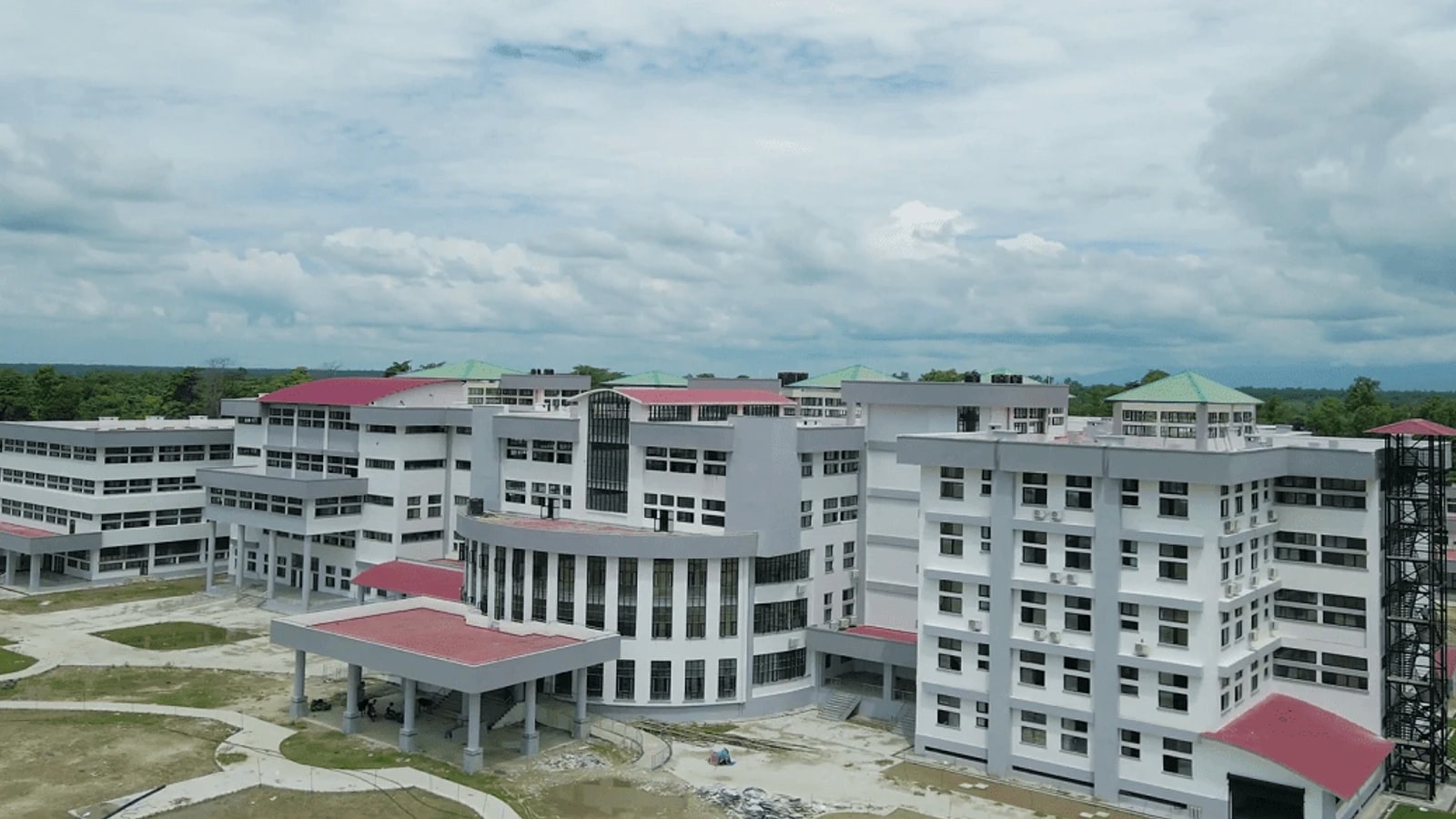
KAILALI,: Nepal's Martyr Dasharath Chand University of Health Sciences in Geta, Kailali, is preparing to begin academic programmes in February 2027. However, concerns are growing over whether its teaching hospital is adequately equipped to support medical education.
The Medical Education Commission has approved 90 seats across four programmes: 50 for Bachelor of Medicine and Bachelor of Surgery (MBBS), 20 for Bachelor of Science in Nursing, 10 for Bachelor of Medical Laboratory Technology and 10 for Bachelor of Optometry.
The proposed academic programmes are expected to strengthen access to medical education and healthcare services in Nepal's far-western region.
However, doctors and hospital employees have questioned whether the institution currently has sufficient infrastructure, qualified teaching staff and operational medical services to provide the practical training required for medical students.
Medical education reform campaigner Dr Govinda KC has also been staging a hunger strike since October 29, demanding that the programmes not begin until the university's teaching hospital is fully operational.
Doctors Question the Hospital's Clinical Capacity
Although the university has constructed substantial physical infrastructure, medical professionals say several essential hospital services are still unavailable or not fully operational.
During a recent visit reported by The Kathmandu Post, most of the hospital buildings appeared largely unused. Only a limited number of facilities were providing services, including outpatient consultations, laboratory tests, ultrasound, emergency care, general medicine, surgery and intensive care.
Doctors and hospital employees have raised concerns about the absence of dedicated wards and specialised services.
Some patients requiring treatment for different conditions are reportedly being accommodated in general medicine or surgery wards because separate facilities are not yet functioning.
Psychiatrist Prabesh Bhatta said treating psychiatric patients alongside other patients creates difficulties in providing appropriate care.
Hospital employees have also questioned the availability of services such as maternity care, blood banking and specialised treatment facilities. They say patients requiring certain treatments continue to be referred to other hospitals in Dhangadhi.
These concerns have raised questions about whether the hospital can provide the clinical exposure and practical learning opportunities expected from a medical teaching institution.
University Officials Defend the Approval
University officials, however, maintain that the institution has met the requirements for starting academic programmes.
Vice-Chancellor Sunil Kumar Joshi said the approval process followed the required procedures and that the university was preparing to complete the remaining infrastructure and operational arrangements before students arrive.
Registrar Bhim Bahadur Chand said the hospital currently operates 325 beds, has arrangements for 622 beds and has infrastructure that could accommodate up to 920 beds.
He also said the university was working to recruit qualified faculty members, establish laboratories, procure medical equipment and expand clinical services.
According to Chand, the hospital is expected to reach a capacity of 500 beds by the time the first MBBS students complete their initial two years of basic science studies.
University officials have also said plans are underway to establish additional specialised facilities, including a cardiac catheterisation laboratory, burn unit and trauma centre. Procurement preparations for CT scan and MRI equipment are also being made.
Shortage of Teaching Staff Raises Further Questions
The availability of qualified teachers has become another major concern.
Doctors say an MBBS programme with 50 seats requires at least 64 teachers, including 23 in basic sciences and 41 in clinical sciences.
Some medical professionals have questioned whether the university currently has enough formally appointed faculty members to meet these requirements.
They have also raised concerns about the recruitment process and the availability of teachers in departments such as anatomy and microbiology.
Registrar Chand said the university had already appointed some faculty members and that additional appointments would take effect before classes begin.
The university had advertised vacancies for professors, associate professors and assistant professors as part of its recruitment process.
The disagreement over staffing has added to concerns about whether the university can maintain the academic standards required for medical education.
Agreements With Four Provincial Hospitals
The university has also entered into long-term agreements with four provincial hospitals to support its medical education programmes.
The hospitals include Seti Provincial Hospital in Dhangadhi, Mahakali Hospital in Mahendranagar, Lamkichuha Hospital in Lamki and Tikapur Provincial Hospital.
The agreements have raised questions among some local residents about whether the university is relying too heavily on other hospitals instead of developing its own teaching hospital.
The university has defended the arrangements, saying they were made under its governing legal framework.
However, the duration of the agreements has also attracted attention. Provincial officials have questioned why the arrangements were extended to 20 years when earlier discussions had involved a shorter period.
A Major Investment With High Expectations
The government has allocated Rs 2.54 billion to the university for the current fiscal year, reflecting the scale of public investment and expectations surrounding the institution.
Geta has been viewed as an important opportunity to expand medical education, improve specialised healthcare and reduce the need for patients from Sudurpaschim Province to travel to other parts of the country for treatment.
However, the challenges facing the university demonstrate that constructing buildings alone is not enough to establish a functioning medical institution.
Qualified teachers, modern equipment, specialised departments, operational wards and sufficient patient services are equally important for delivering quality medical education.
The university says it intends to address the remaining gaps before students arrive in February 2027.
The coming months will therefore be crucial in determining whether Geta can transform its existing infrastructure into a fully functioning centre for medical education and healthcare.
For students, patients and residents of the far-western region, the key question is not simply when classes will begin, but whether the institution will be ready to provide the quality of education and treatment it has promised.